
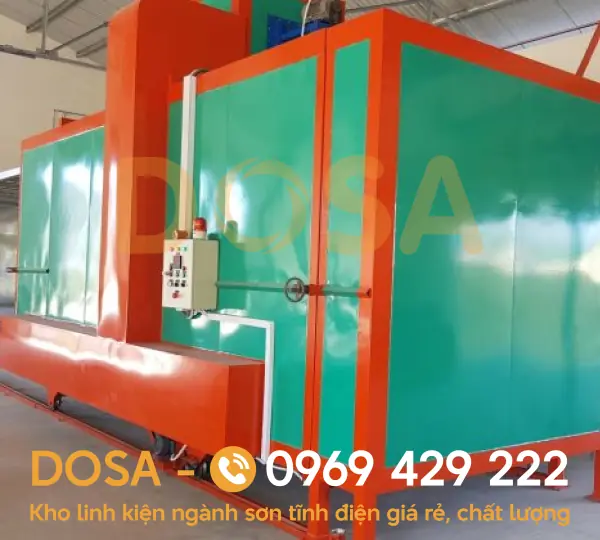
A powder coating curing oven, also commonly called a paint curing oven, is the heating stage that melts and cures the powder coating after application. The effectiveness of this stage depends on temperature, dwell time, air circulation, and temperature uniformity inside the oven.
The role of the curing oven in a powder coating line
A curing oven does more than heat the workpiece. It must maintain suitable conditions for the coating to adhere firmly, develop a relatively uniform color, and reach the required cure state for the powder coating being used.
- Heating and curing the coating: bring the workpiece to the required operating temperature for an appropriate period.
- Maintaining stable temperature: limit large temperature differences between areas of the oven.
- Circulating and distributing heat: direct hot air to the necessary areas instead of concentrating it around the heat source.
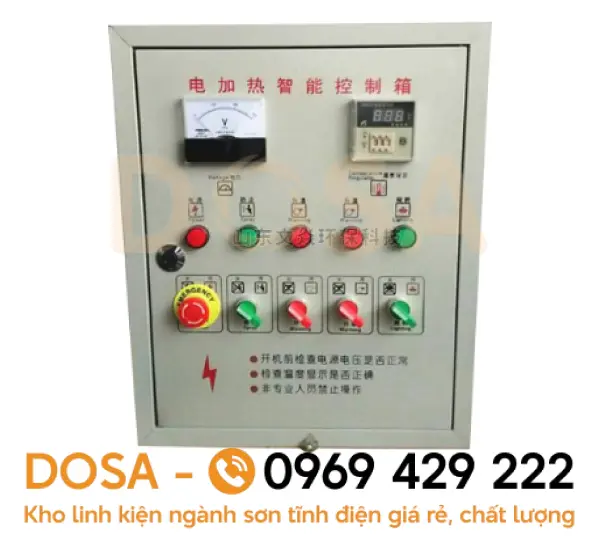
- Supporting safe operation: sensors, the control cabinet, and protective mechanisms must be selected for the actual system configuration.
Common types of powder coating curing ovens
Curing ovens can be classified by heat source and production arrangement. Each option has its own advantages, so selection should not be based only on the initial investment cost.
- Electric curing oven: uses electric resistance heaters or another electric heating unit, making it practical for smaller systems and sites that prioritize a compact control setup.
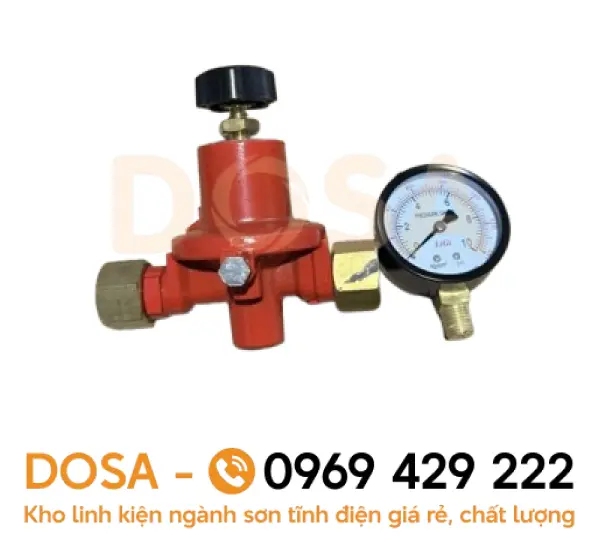
- Gas-fired curing oven: can meet higher heat demand in many industrial systems, but burner design, gas supply, and safety protection require particular attention.
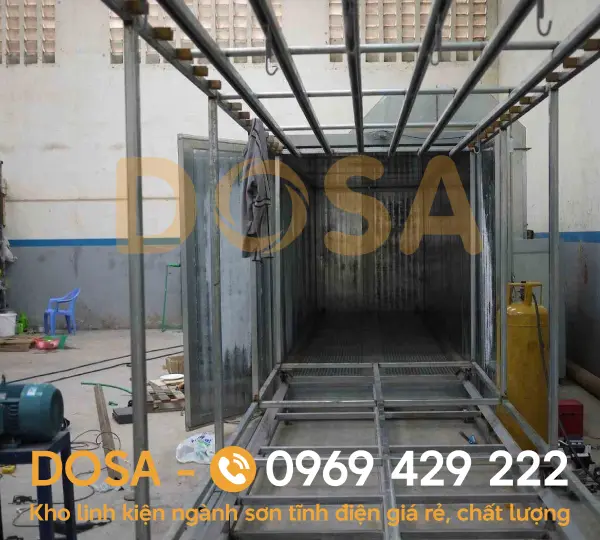
- Batch curing oven: workpieces or hanging racks are loaded in batches; suitable when production scale and cycle time do not require continuous operation.
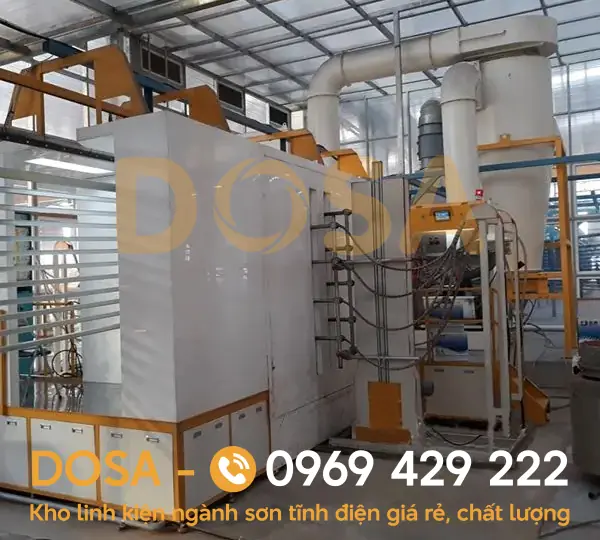
- Continuous tunnel oven: works with a conveyor or overhead line so workpieces pass through continuously; suitable for production lines with stable output.
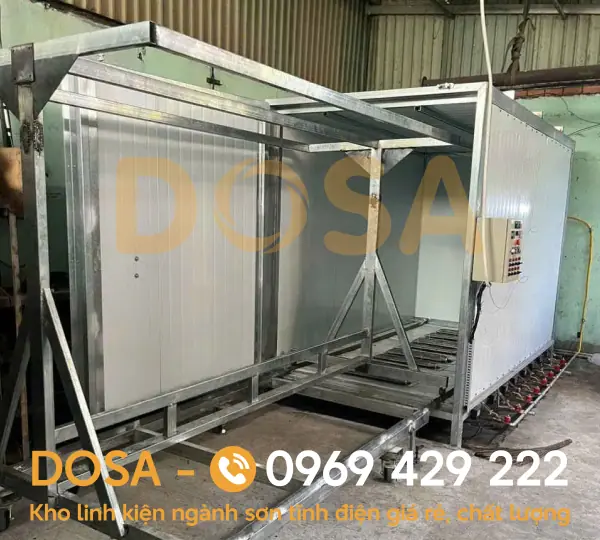
Basic components of a curing oven
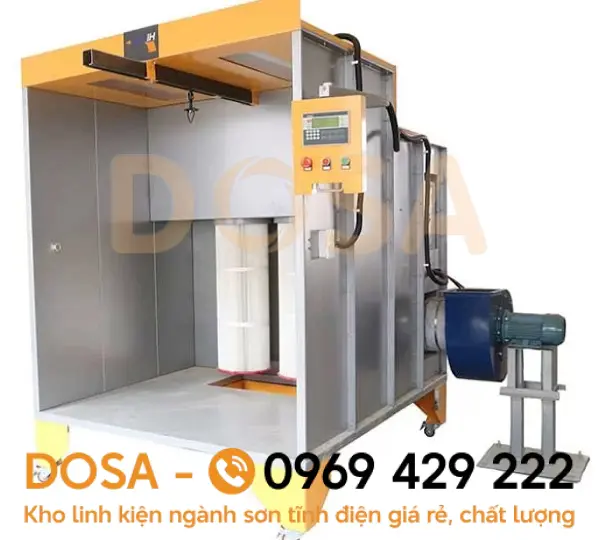
The detailed configuration varies with capacity and site layout, but a typical system includes an insulated enclosure, a heat source, circulation fans, air ducts, temperature sensors, and a control cabinet.
- Enclosure and insulation: reduce heat loss and protect the surrounding area.
- Heating unit: generates heat using electricity, gas, or another calculated configuration.
- Fans and air circulation ducts: distribute hot air throughout the curing space.
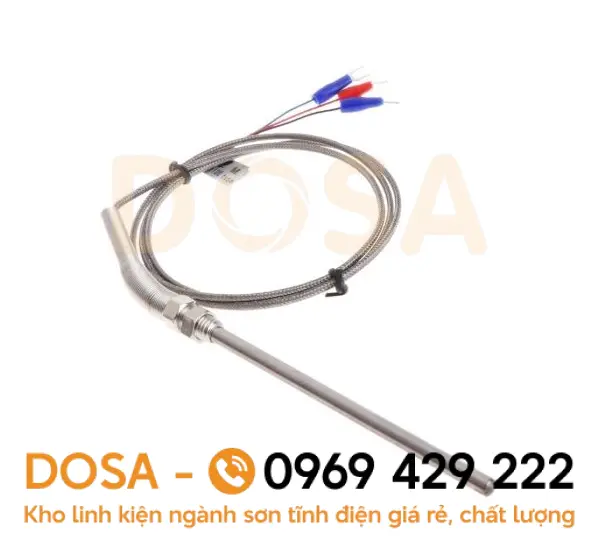
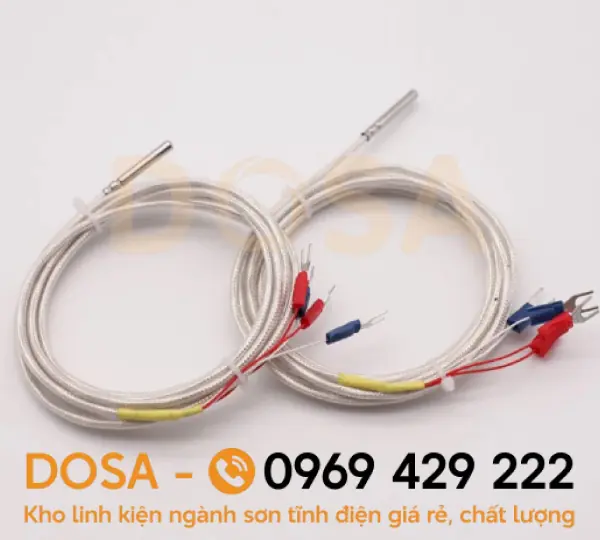
- Temperature sensors: provide signals for process monitoring and control.
- Control cabinet: operates the heating unit, fans, alarms, and required interlocks.
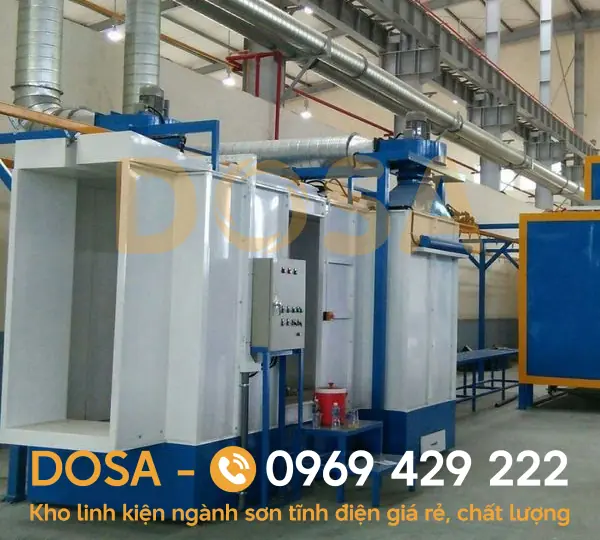
How to select a suitable curing oven
Workpiece size and production output
The largest workpiece dimensions, batch quantity, hanging spacing, and conveyor pace determine the usable oven volume. An undersized oven makes loading difficult, while an oversized oven increases capital and operating energy costs.
Curing temperature and time
Selection should be based on the workpiece material, thickness, powder coating type, and curing requirements. The displayed air temperature is not always the same as the actual workpiece temperature.
Heat source
Electricity or gas should be evaluated together with the available infrastructure, required capacity, operating cost, installation space, and safety requirements. No single option suits every facility.
Site layout and maintenance access
Space should be reserved for the oven door, fans, control cabinet, inspection areas, and maintenance work. For an existing system, the condition of the insulation, fans, burner or electric heaters, and control system should be assessed before deciding whether to repair or replace it.
What affects the cost of a curing oven?
A single fixed price should not be applied to every curing oven. Cost depends on dimensions, usable volume, heat source, capacity, insulation, air circulation, automation level, transportation conditions, and on-site installation requirements.
To define an appropriate scope, first identify the workpieces to be cured, expected output, operating temperature, available space, existing electricity or gas supply, and connection requirements for the production line. A quotation should be finalized only after these key details are clear.
Operating and maintenance notes
- Inspect temperature sensors, the control cabinet, and protective mechanisms periodically.
- Keep air ducts and circulation fans clear, and monitor for unusual noise or vibration.
- Check the door, seals, and insulation if heating time increases or excessive heat escapes.
- Do not change temperature limits, the burner, or heating capacity without first assessing the safety impact.
- Record operating temperature and time to identify changes before a fault becomes serious.
How can DOSA support curing oven requirements?
DOSA supplies a range of powder coating curing oven equipment and accepts requests for inspection, repair, maintenance, upgrades, and consultation on production line installation options. The specific scope is confirmed against the actual condition and requirements before work begins.
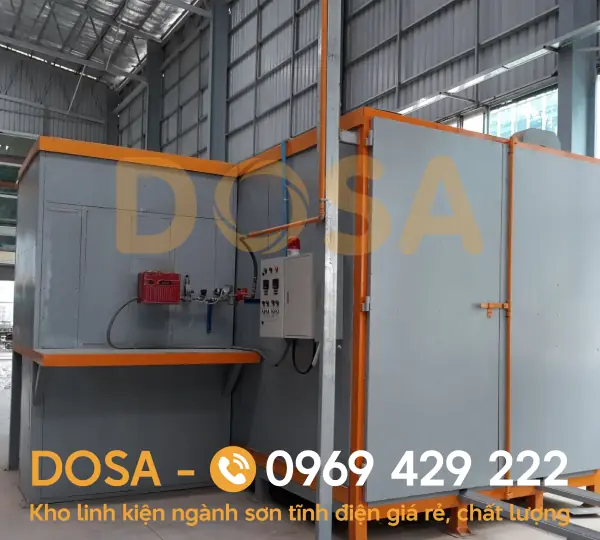
When requesting consultation, you can prepare the workpiece dimensions, production output, operating temperature, intended heat source, and photos of the existing setup when available. This information keeps the discussion focused without requiring you to know the equipment code or model in advance.
Frequently asked questions about powder coating curing ovens
Are a paint curing oven and a powder coating curing oven the same?
These terms commonly refer to the heated enclosure used to cure a powder coating. The suitable design depends on the workpieces, production output, and production line layout.
Should I choose an electric or gas-fired curing oven?
Electric heating is often suitable for smaller systems or sites that prioritize a compact control setup. Gas heating may suit higher heat demand, but production output, infrastructure, operating cost, and safety requirements must all be considered.
Which factors affect curing oven cost?
Dimensions, usable volume, target temperature, heat source, insulation, air circulation, controls, installation conditions, and safety requirements all affect the cost.
Can an existing curing oven be repaired or upgraded?
This can be considered after an on-site inspection. DOSA evaluates the insulation, circulation fans, heating system, sensors, control cabinet, and safety condition before making a proposal.